

One Rule For Calves (and People) That Will Surprise You
Training calves is a lot like training children. Both have short attention spans, and both would rather play than work, as I discovered at the 2024 Miles Smith Farm camp.
Training calves is a lot like training children. Both have short attention spans, and both would rather play than work, as I discovered at the 2024 Miles Smith Farm camp.

What's the point of a cow experience for people who can't see the cows? I said yes anyway, figuring I'd learn something. That part I got right.
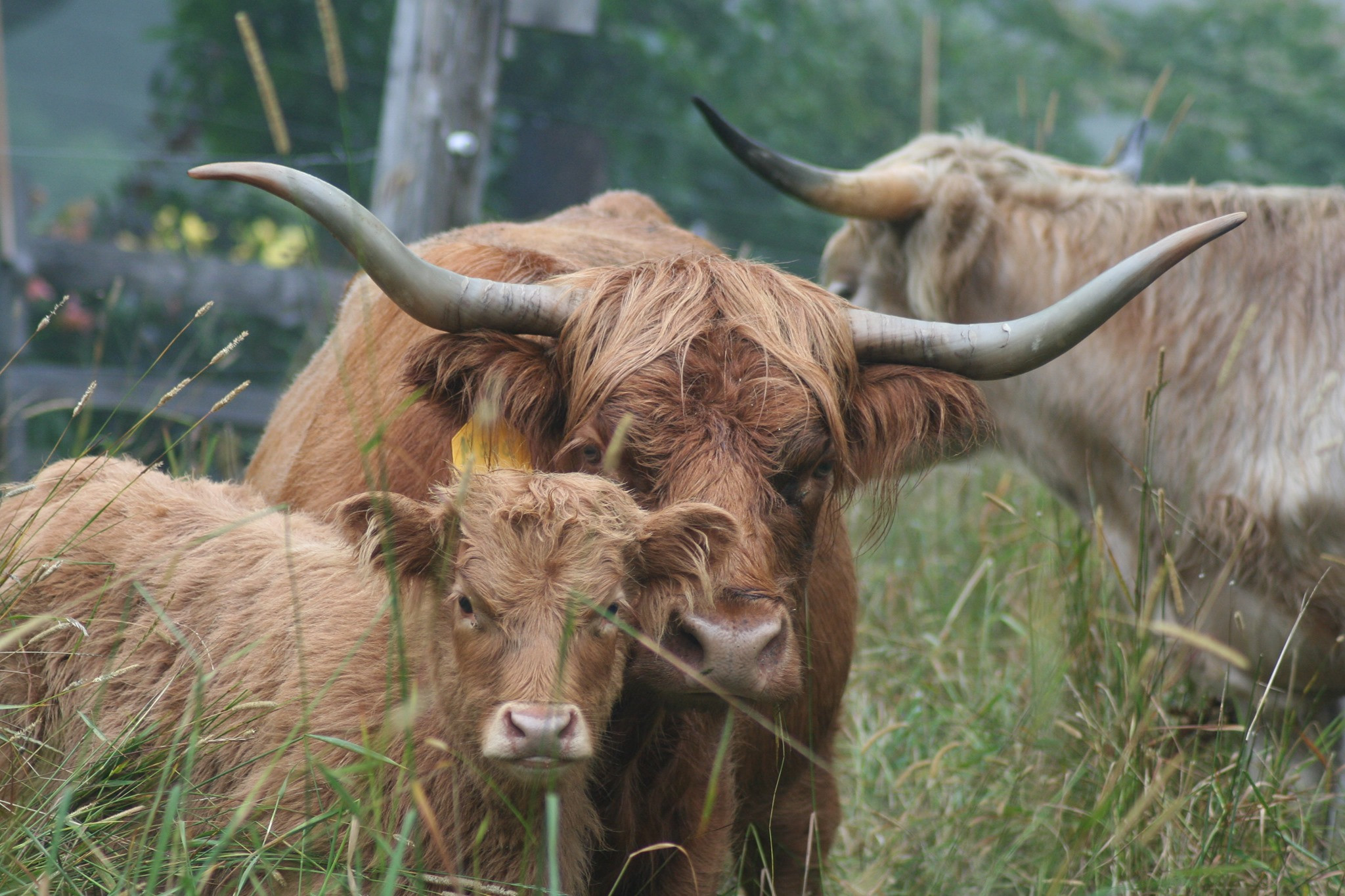
I gave this talk because a cow taught me something no human ever could.

That's the thing about cattle: they are forgiving. I can bark at a steer at nine in the morning, and by 9:02 he's looking for a treat. Cattle don't hold grudges. They don't read tone. They don't lie awake replaying what you said to them by the water trough.

The internet assured me the easiest spot to draw blood was the tail. Cow number one proved it. I lifted her tail, slid in the needle, and — like magic — blood flowed into the tube. Easy peasy. I labeled my prize, feeling confident, while my team escorted the next victim into the chute.

The Day started with Owen, one of my Highland steers, marching in the Concord Independence Day parade. But the best news was still to come.